Music Walk
Forthcoming 2026/27
Photographed and designed by Yasuhiro Yoshioka, this photobook offers an unprecedented glimpse into John Cage and David Tudor’s 1962 tour in Japan—a formative autumn in the avant-garde.
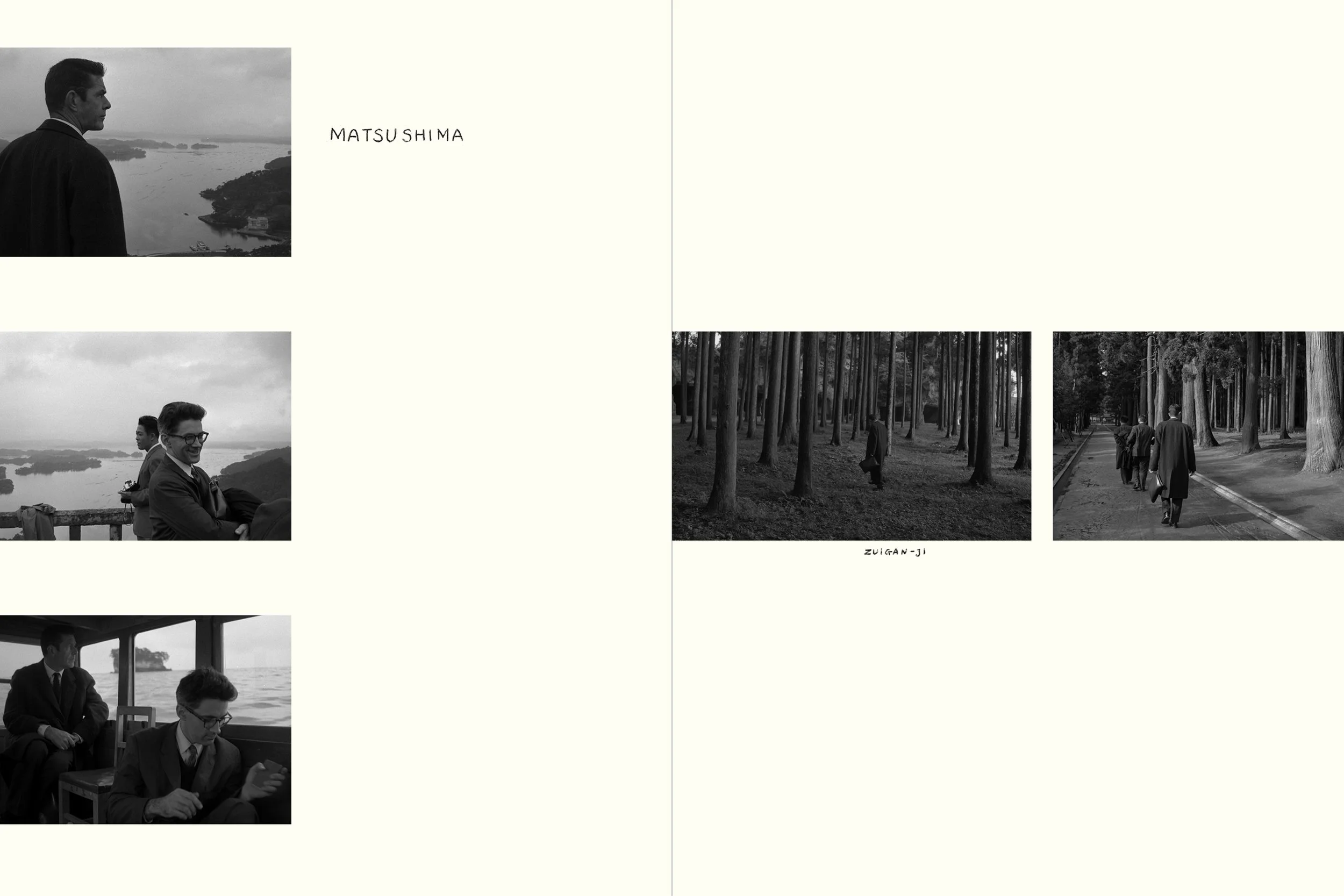
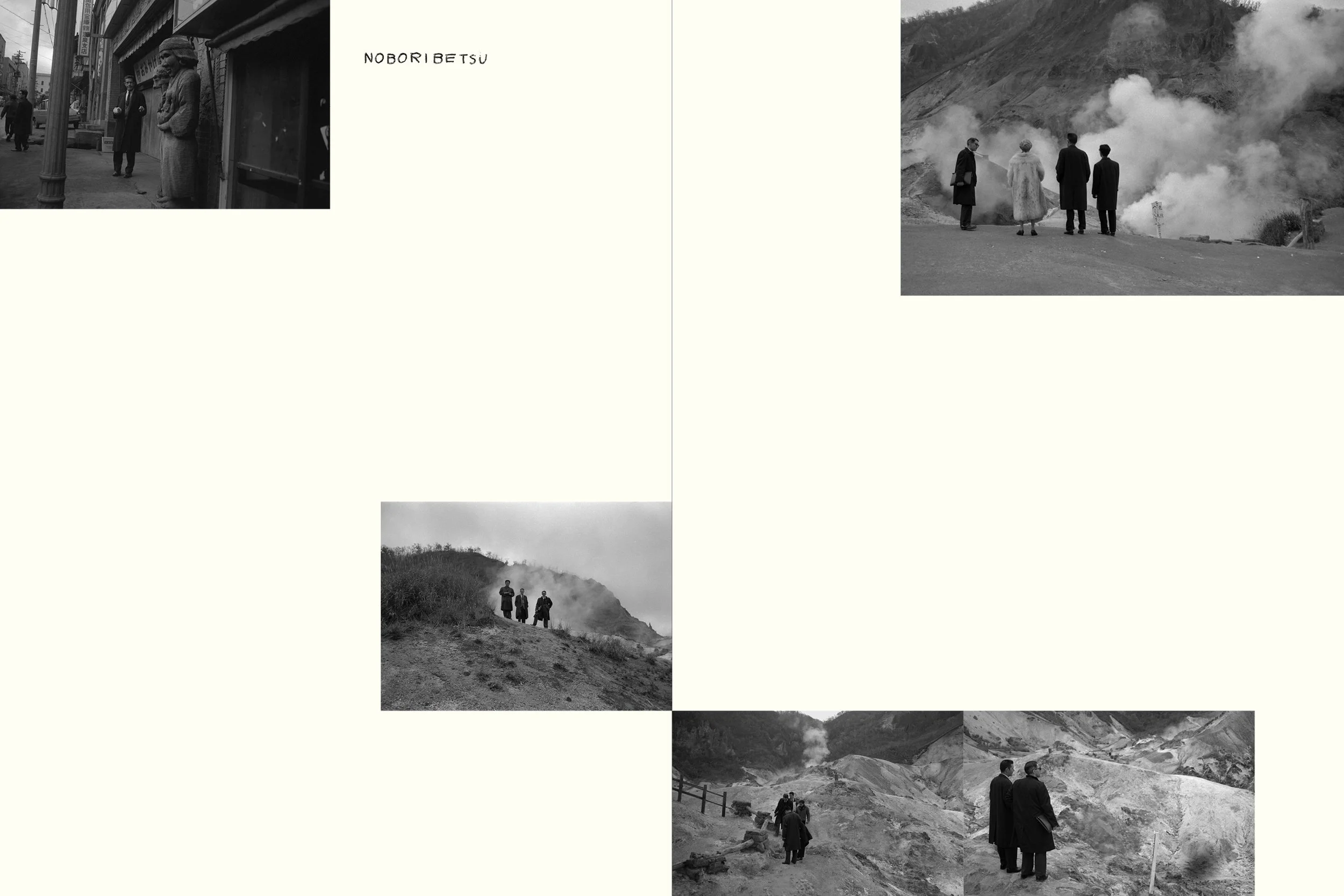
In the fall of 1962, American composers John Cage and David Tudor embarked on their first concert tour in Japan. Over six eventful weeks, they traveled across the country—Kyoto to Sapporo—performing alongside pioneering artists like Yoko Ono and Yuji Takahashi. Exchanging ideas on stage and across the dinner table, they fortified a connection that continues to resonate—in images as well as music.
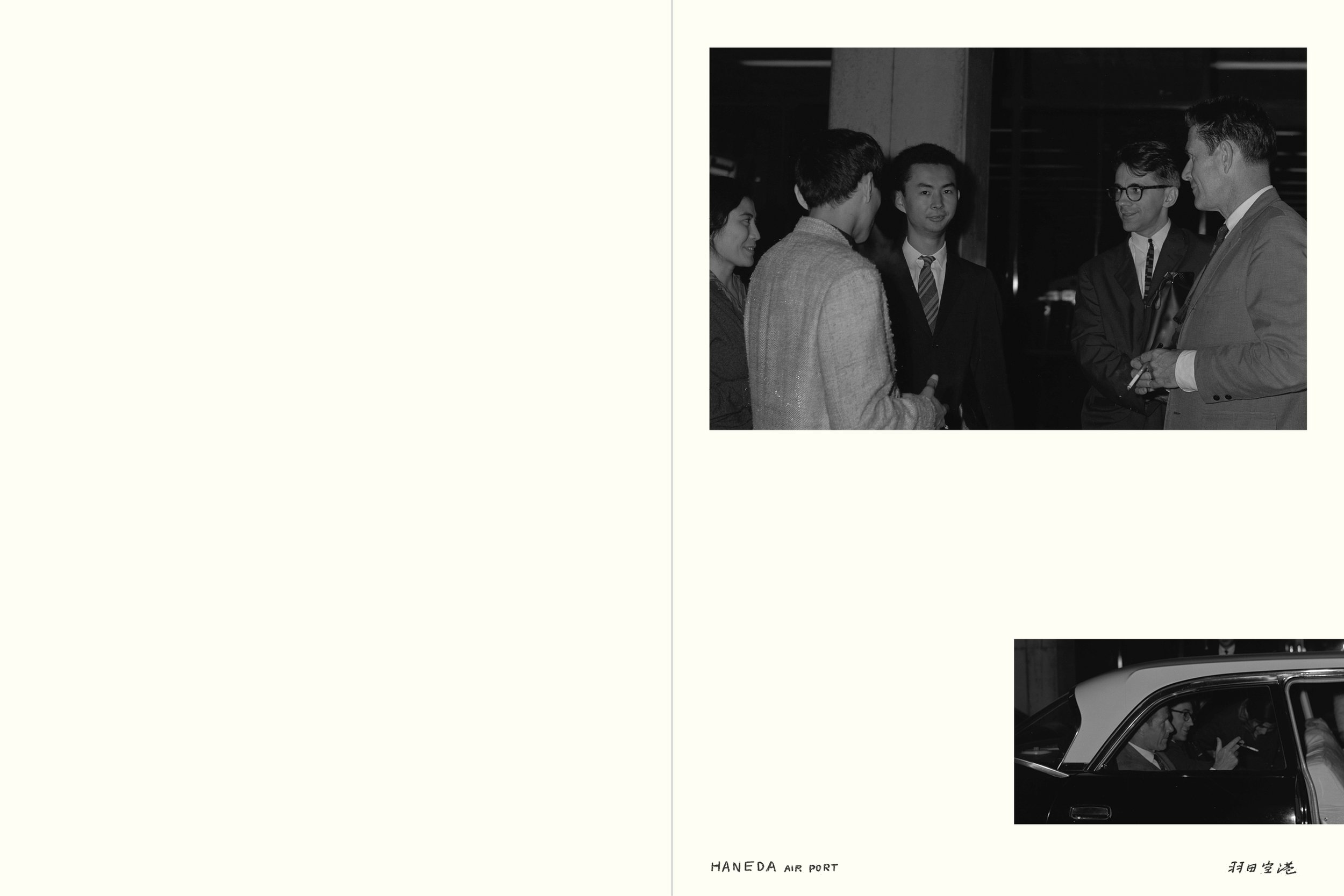
“I have many pictures,” Cage wrote of their trip, thanks to a “photographer who snapped everything from the time I got off the plane.”
A radical young photographer, Yasuhiro Yoshioka, was hired to capture every moment of this highly publicized tour. He would soon earn praise as photographer and cinematographer of New Wave films by Hiroshi Teshigahara and Nagisa Oshima, but his own work was heavily censored at the time. Yoshioka’s photography—which favored high contrast and up-close images of the human body—was repeatedly removed from exhibition, eventually warranting his arrest. He was self-publishing his first book of banned images when the Sogetsu Art Center, the tour’s sponsor, asked the artist to turn his camera on another circle of this intrepid avant-garde.
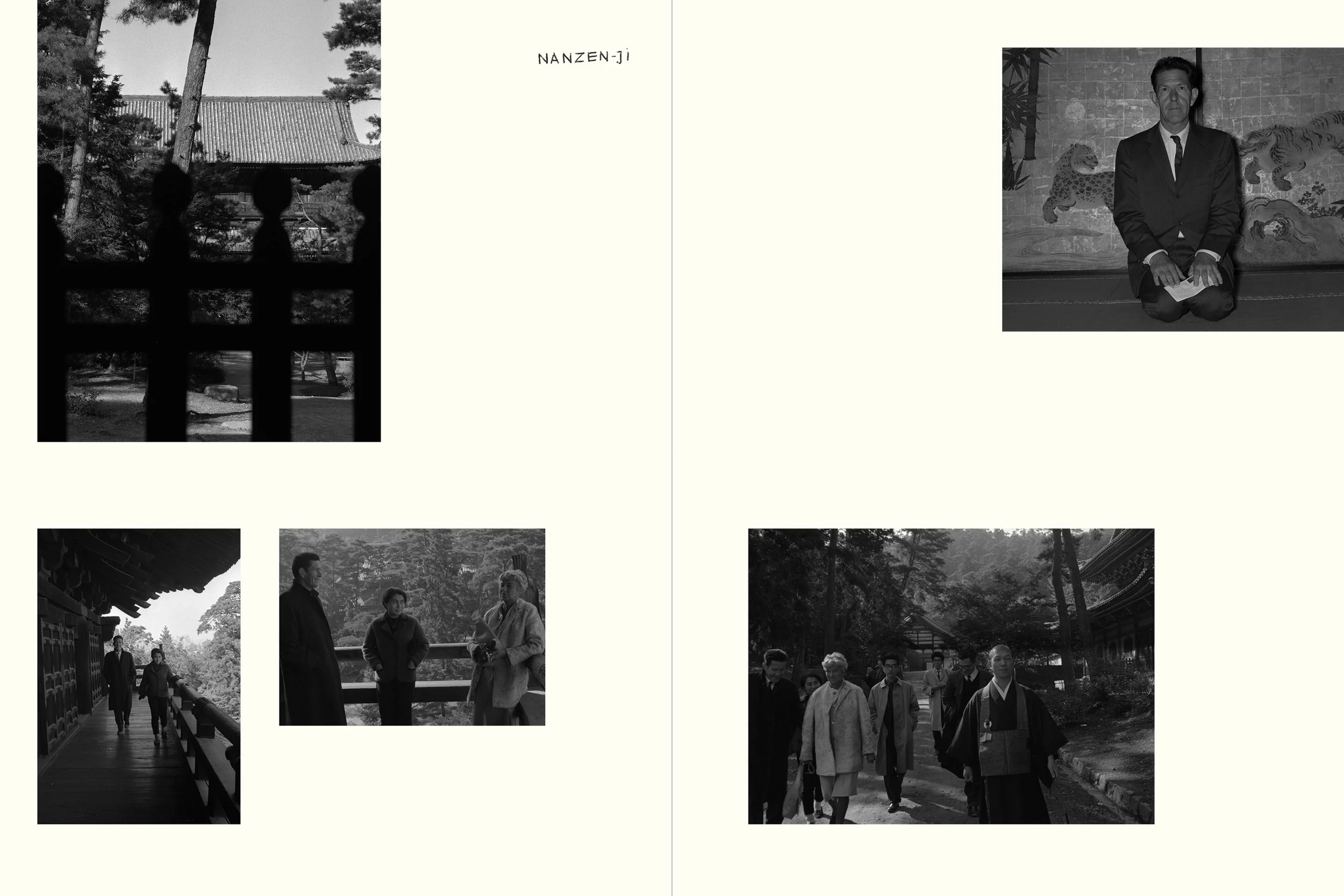
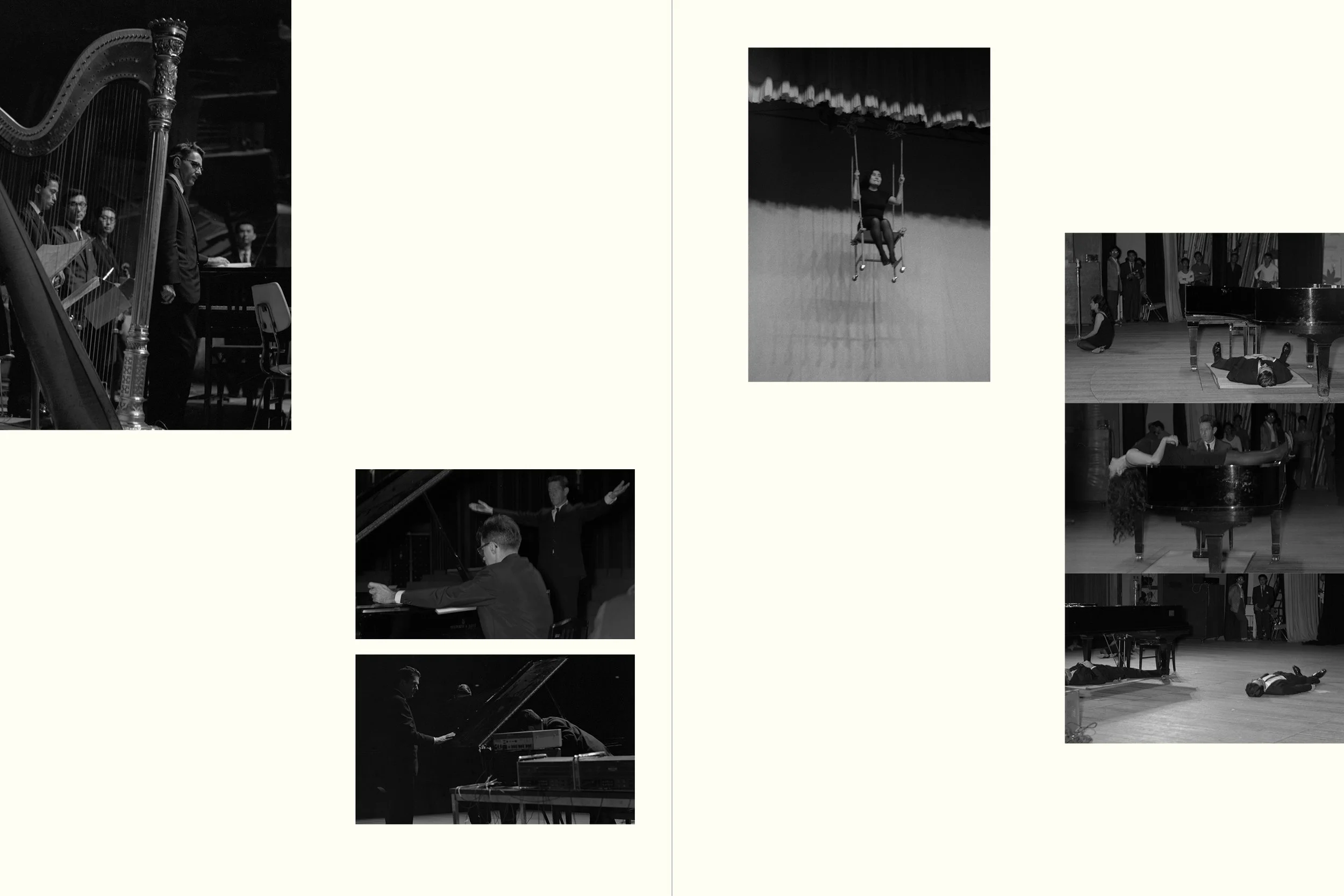
Yoshioka captured some of the most recognizable images from the 1962 tour—Cage meditating at Ryoanji or Ono supine across the piano—but most of these photos have not been seen outside the archives.
As the group performed just seven concerts in a little over a month, we mostly find them wandering the exquisite landscapes of Japan—from the gardens of Kyoto to the valleys of Hokkaido—lost in conversation and the countryside. Immaculately dressed, clutching satchels full of sheet music, they stroll temples and forests, rest at ryokans and onsens, drink and smoke and daydream. And though documentary, these early images reveal Yoshioka’s natural eye for intimacy and theater—a talent that would soon define his career across media.
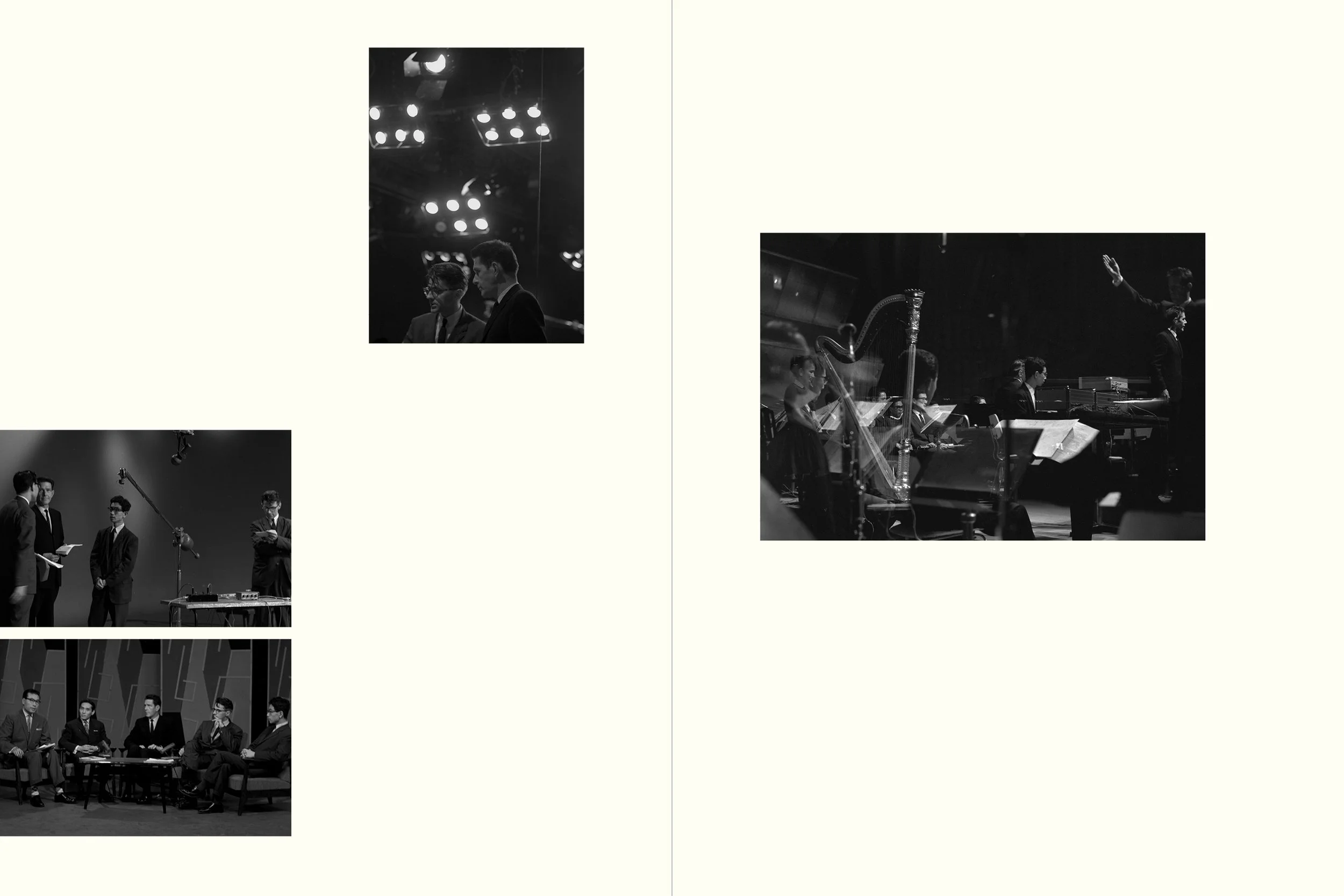
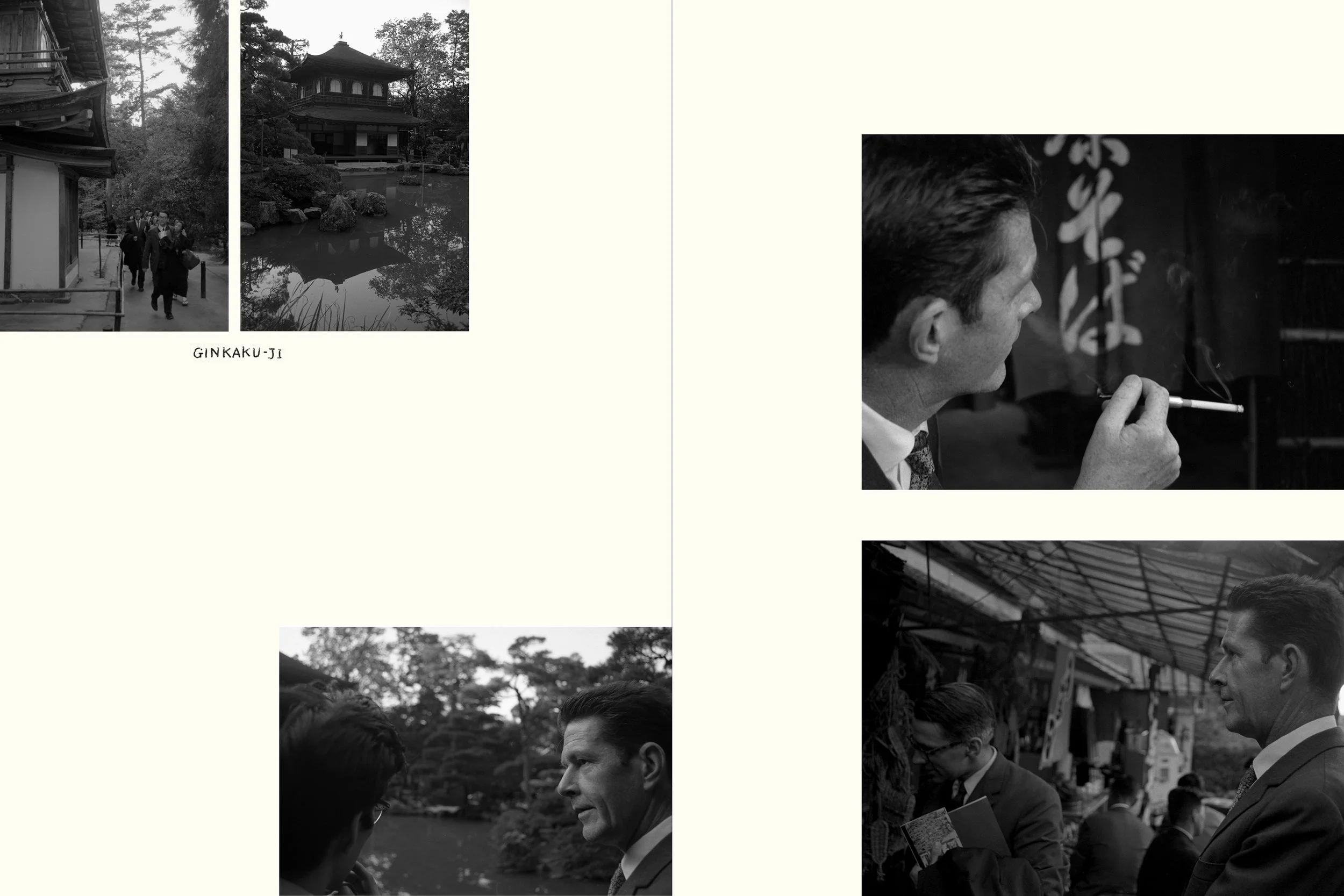
In commemoration of the tour, Yoshioka gifted four photo albums to Cage and Tudor. Organized between performance and sightseeing, each composer received a uniquely curated pair of albums.
Despite this everyday format, Yoshioka took great care in selecting and laying out these images—just as he did in his self-published photobooks. The result is strikingly elegant, intimate, and transporting. Nevertheless, these photo albums have remained in the archives of the Getty and Northwestern, largely forgotten. 64 years later, as chance would have it, they’ve finally been reunited to share this story again.
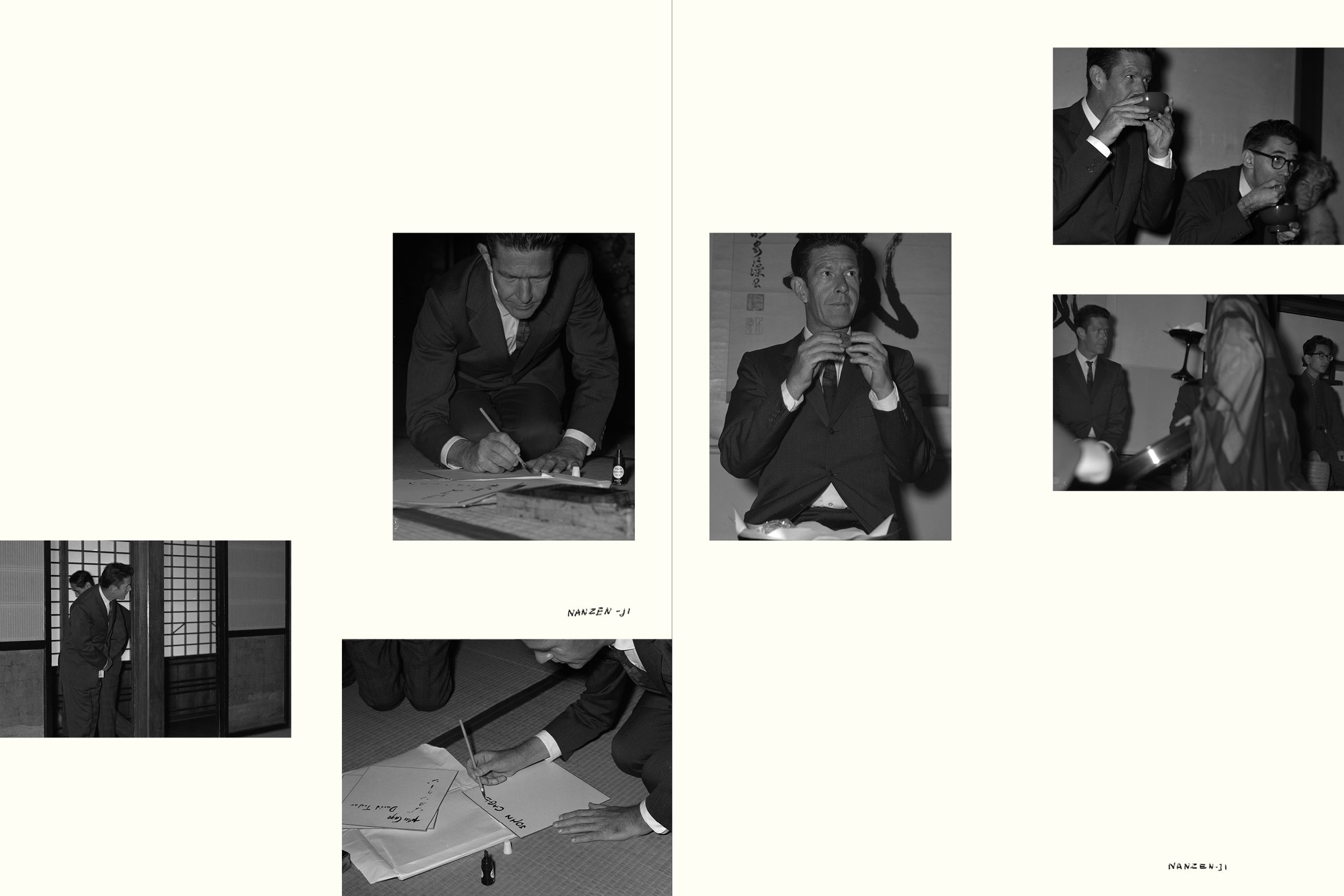
Featuring bilingual essays by Yoshioka and Cage, complimented by graphics scores and prose, Music Walk—like the namesake score—is an invitation to wander.
Yasuhiro Yoshioka (1934–2002) was a photographer and cinematographer from Okayama Prefecture. Though championed by his colleagues across the avant-garde—from Shuzo Takiguchi to Hiroshi Teshigahara—his early photography of abstract genitalia was widely censored. By the mid-sixties, he was more widely known for his work with Teshigahara, as still photographer of Woman in the Dunes (1964) and Face of Another (1966), then as cinematographer of Oshima’s Death by Hanging (1968), Boy (1969),and Diary of a Shinjuku Thief (1969), among others; but even as his film career grew, Yoshioka continued to release his photography through a series of books—Yasuhiro Yoshioka (1963), Bestiality: The Third Venus (1971), and Sodom’s Paradise (1971)—as well as contributed photography to Shuji Terayama’s Throw Away Your Books, Go Out into the Streets (1967), illustrated by Tadanori Yokoo. Yoshioka also directed three films, including a documentary about his lifelong friend and collaborator, Tetsumi Kudo.